Third Grade Retro SVG Design Review
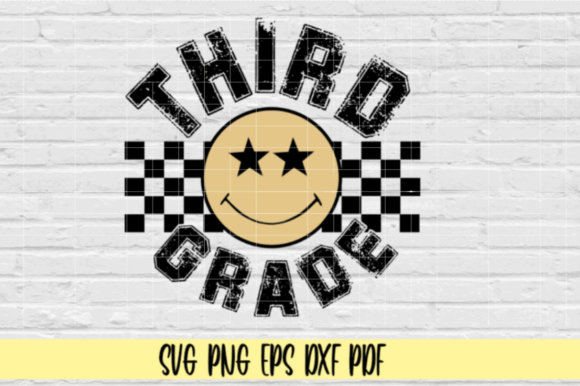
As a designer who’s stitched over 2,000 custom embroidery projects—from boutique baby onesies to Etsy best-selling tote bags—I opened Third Grade Retro Svg Png Eps Dxf Pdf expecting playful energy. What I found was a tightly composed, mid-century-inspired graphic with bold outlines, balanced negative space, and a cheeky, schoolhouse-meets-vintage-cartoon charm. It doesn’t scream “retro”—it leans in: think chalkboard typography, rounded sans-serif lettering, and subtle texture cues that translate beautifully into stitch.
First Impressions: Where This Design Naturally Lives
This isn’t a design for subtle branding or minimalist apparel. Third Grade Retro Svg Png Eps Dxf Pdf thrives on personality—on items where the wearer or recipient is invited to smile, pause, and say, “Oh, I remember that feeling.” I immediately pictured it stitched onto a heavyweight cotton canvas tote bag for a local teacher appreciation pop-up: sturdy fabric, generous hoop space, and a design large enough to read from three feet away. It also clicked for a limited-run sweatshirt line targeting nostalgic millennials—think soft fleece, chest placement, and contrast thread (mustard on navy, charcoal on oatmeal).
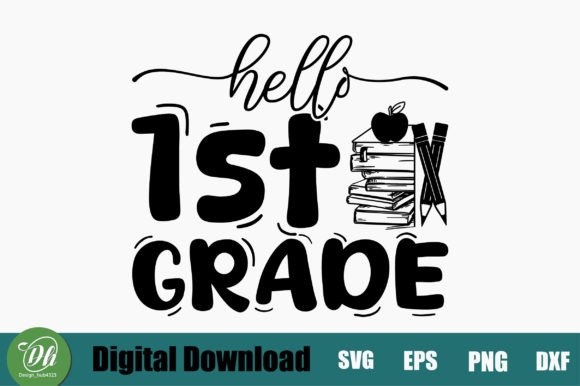
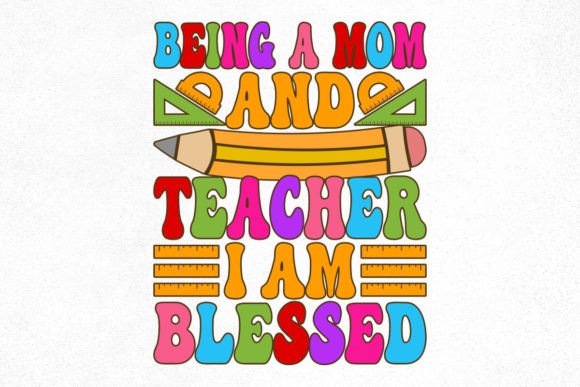
The layout is smartly self-contained: no sprawling flourishes or ultra-thin serifs that vanish under satin stitch. The letterforms have breathing room, the icon elements (a tiny apple, a pencil silhouette, a starburst) are distinct but not fussy—and crucially, they’re spaced to avoid thread nesting when digitized properly.
Real-World Embroidery Performance: Strengths & Soft Spots
In practice, Third Grade Retro Svg Png Eps Dxf Pdf handles common embroidery challenges well—but only if treated intentionally. On smooth, medium-weight fabrics like twill, denim, or quilting cotton? Excellent clarity. The bold lines hold up beautifully in fill stitch, and the open shapes allow stabilizer to do its job without puckering. As an embroidered patch, it’s confident—clean edges, minimal underlay bleed, and strong visual recognition even at 3.5” wide.
Where caution kicks in: stretchy knits (like jersey tees), thin baby rib knit, or highly textured toweling. Those fine interior details—like the subtle crosshatch inside the star or the small dot beneath the “i”—can blur or skip if tension or stabilizer isn’t dialed in. I’d avoid placing it directly over seams or curved surfaces like cap fronts unless you’ve pre-tested on a similar substrate. And while the design *looks* dense, its actual stitch density feels moderate—not heavy enough to stiffen a tea towel, but substantial enough to feel handmade and intentional on a kitchen apron.
For baby embroidery? Yes—but size matters. At full scale, it’s better suited to crib blankets or nursery wall hangings than onesies. Scale it down below 2.5”, and the charm starts to flatten. Tiny lettering loses legibility; the retro quirk becomes generic.
What It Adds (and Doesn’t Add) to Your Finished Product
This design elevates perceived value without demanding premium pricing. A personalized gift with Third Grade Retro Svg Png Eps Dxf Pdf stitched on a linen pillow cover reads “thoughtful,” not “mass-produced.” Customers notice the cohesion—the way the font weight matches the icon weight, how the spacing echoes vintage classroom posters. That consistency builds trust: it tells buyers you curate assets carefully, not just grab whatever’s trending.
It also supports brand storytelling. If your craft business leans into nostalgia, education-themed gifts, or handmade wit, this fits seamlessly into your visual library—no awkward rebranding needed. But it won’t help you pivot into luxury monogramming or botanical embroidery. It’s not neutral. It’s a statement—and that’s its strength.
Practical Designer Notes Before You Stitch
- Always test first—especially on your target fabric. Run a sample on scrap twill before committing to ten tote bags.
- Check thread color contrast deliberately. This design relies on shape and silhouette—low-contrast combos (e.g., light gray on ecru) mute its impact.
- Review stitch density in your embroidery software. If your digitized version adds excessive underlay or overly tight satin columns, simplify. Let the original graphic breathe.
- Confirm hoop size compatibility. The composition works cleanly within a 4x4 hoop at standard scale—but verify before sending to production.
- Inspect small details at 200% zoom: dots, interior cutouts, and tight corners should be digitized as clean vector paths—not raster artifacts.
- Test black-and-white mockups to gauge readability. If it loses character in grayscale, reconsider thread choices or placement.
- Use appropriate stabilizer: tear-away for stable wovens, cut-away for knits or lightweight fabrics.
- Verify licensing before selling finished items or bundling the files. Since it’s listed under Crafts and Graphics, confirm whether commercial use is included—don’t assume.
Who Should Reach For This—And Who Might Pass
Etsy sellers building a themed shop around back-to-school, teacher gifts, or retro-kid aesthetics will find Third Grade Retro Svg Png Eps Dxf Pdf a reliable anchor piece. Small shop owners stocking personalized baby items can pair it with simple applique hearts or stars for cohesive nursery bundles. Handmade apparel decorators will appreciate how easily it scales across sweatshirts, caps, and tote bags—without needing multiple file versions.
Hobbyists who love clean, expressive graphics (not photorealistic florals or hyper-detailed portraits) will enjoy stitching it as a confidence-builder—it’s forgiving, readable, and satisfying to watch come together.
That said, if your work focuses on ultra-minimalist branding, delicate heirloom embroidery, or high-thread-count formal wear, this design’s boldness may clash with your aesthetic. Likewise, digital product sellers bundling “generic retro” collections should note: this has voice. It’s not wallpaper—it’s a conversation starter.
Final Thought: A Design That Earns Its Place
Third Grade Retro Svg Png Eps Dxf Pdf doesn’t try to be everything. It’s specific, intentional, and visually literate. In a market flooded with over-digitized, low-res clipart masquerading as embroidery files, it stands out by respecting both the craft and the customer. Use it where joy, memory, and handmade sincerity matter—and let the retro warmth do the rest.