Teaching Our Future Leaders SVG Cut File: Graphics & Crafts Asset Review
As a graphic designer who’s built brand identities for handmade businesses, launched print-on-demand collections, and crafted social media graphics for educators and wellness entrepreneurs, I recently evaluated Teaching Our Future Leaders SVG Cut File for a real client project: a boutique summer camp for middle-schoolers launching its first branded merchandise line—tote bags, water bottles, and printable activity kits. My goal wasn’t just to assess aesthetics—it was to determine whether this design bundle could serve as a functional, on-brand, commercially viable graphic design asset.
A First Impression That Speaks to Purpose, Not Just Pretty
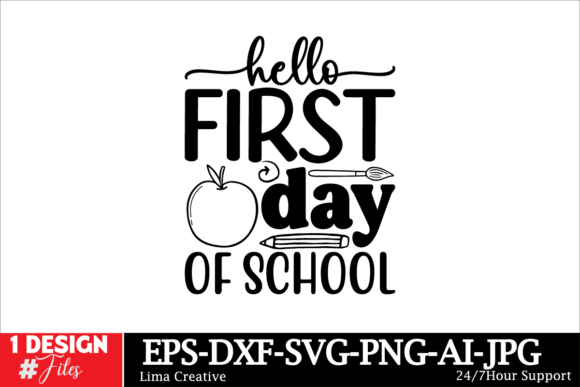
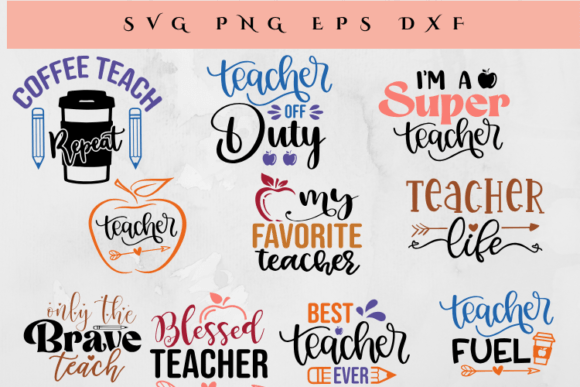
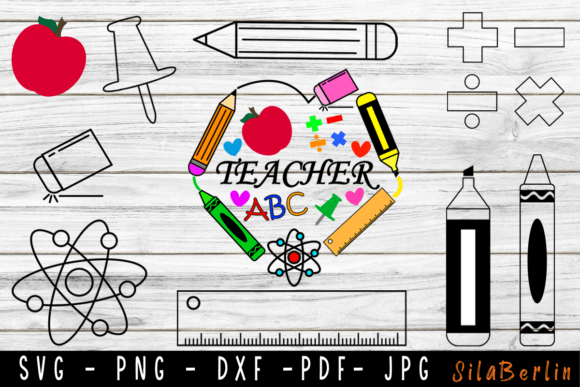
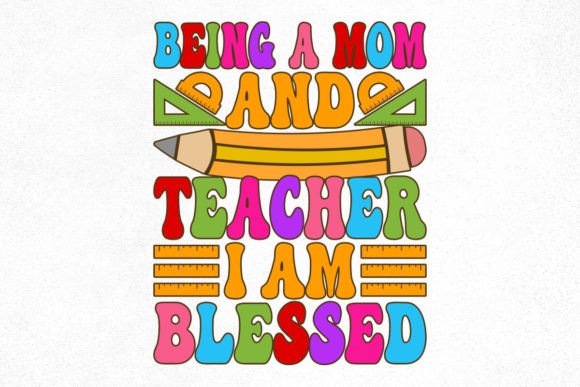
The moment I unzipped the file, I noticed something refreshing: this isn’t decorative clipart masquerading as meaningful content. Introducing a set of 100 unique, digitally crafted quotes gives immediate context—this is a message-first creative design, not just ornamental illustration. The typography leans into warm, approachable display fonts with subtle hand-drawn texture and gentle curves—think thoughtful sans serifs paired with soft script accents—not sterile corporate fonts or overused script clichés. It creates an uplifting, inclusive, quietly confident mood: optimistic without being saccharine, educational without feeling academic. That tone aligns perfectly with small business branding for mindful educators, parenting bloggers, school PTA groups, and Etsy shops selling growth-mindset stationery.
Where It Shines in Real Client Work
In practice, Teaching Our Future Leaders SVG Cut File excels where emotional resonance meets functional flexibility. For our camp client, it worked beautifully as:
- Hero graphics on landing pages and Instagram carousels—large-scale quotes like “Curiosity is the engine of achievement” held visual weight and clarity;
- Product mockups for mugs and tote bags—the clean vector outlines scaled flawlessly from 3” to 18”, and the balanced letter spacing ensured legibility even on curved surfaces;
- Printable design elements in activity kits—SVG layers allowed easy color swaps to match our brand palette (teal, warm sand, soft sage);
- Cricut projects for custom name tags and classroom banners—clean cut lines, no stray anchor points, and grouped layers saved hours in prep time;
- Supporting brand elements across email headers, Canva templates, and blog visuals—adding consistent visual rhythm without competing with core logo or photography.
It also performed well in sublimation design tests, retained crisp edges when exported as PNG with alpha transparency, and integrated smoothly into packaging design for sticker sheets and gift-box labels. As a commercial design asset, it helped unify a scattered visual language—turning abstract values (“leadership,” “growth,” “kindness”) into tangible, ownable marketing visuals.
Where Caution Is Required
This isn’t a universal-fit graphic design asset. Its warmth and expressive texture make it less effective in contexts demanding strict neutrality or high-end minimalism. I’d avoid using it for:
- Professional corporate materials—law firms, financial advisors, or tech startups needing restrained visual hierarchy;
- Small-size applications like app icons or favicon—some quote layouts lose nuance under 40px;
- Crowded layouts or complex backgrounds—its gentle contrast doesn’t punch through busy textures or low-contrast photography without careful masking or overlay;
- Brands built on ultra-clean serif or monospaced typography—juxtaposing it with Didot or IBM Plex can create unintended dissonance.
Designer Notes You Can’t Skip
Before deploying Teaching Our Future Leaders SVG Cut File in a client project, here’s what I tested—and recommend you do too:
- Preview in black and white: Confirmed readability holds without color—critical for print-on-demand grayscale options;
- Check contrast on light/dark backgrounds: Some lighter-weight quotes faded on off-white kraft paper; adjusted stroke weight slightly in Illustrator;
- Scale rigorously: Tested at 150% and 15%—no hint of blurriness or jagged edges in the native SVG;
- Place on real mockups: Used it on actual tote bag and mug templates—not just flat previews—to assess balance and negative space;
- Test print quality: Ran a sample batch on matte sticker paper—crisp edges, no ink bleed;
- Review file formats: Verified all SVGs open cleanly in Illustrator, Affinity Designer, and Cricut Design Space; PNGs included transparent backgrounds, no white fringing;
- Compare font pairings: Works best alongside friendly sans serifs (Poppins, Quicksand) or grounded serifs (Lora, Merriweather)—avoid clashing with tight geometric sans or aggressive display fonts;
- Confirm commercial license: Double-checked terms—yes, it permits use in client work, Etsy products, and digital resale (e.g., Canva templates), as long as the original files aren’t redistributed.
Final Verdict: A Thoughtful, Ready-to-Use Creative Asset
Teaching Our Future Leaders SVG Cut File isn’t flashy—but it’s deeply functional. It elevates a handmade business’s storytelling without overwhelming it. It adds warmth to editorial design, clarity to social media graphics, and authenticity to product mockups. For designers supporting educators, wellness creators, or purpose-driven small businesses, it’s a rare blend: emotionally intelligent, technically sound, and commercially flexible. When used intentionally—with attention to scale, contrast, and context—it strengthens brand consistency, deepens audience engagement, and quietly signals care in both message and craft. In a crowded creative marketplace, that kind of intentionality is the mark of a truly useful graphic design asset.