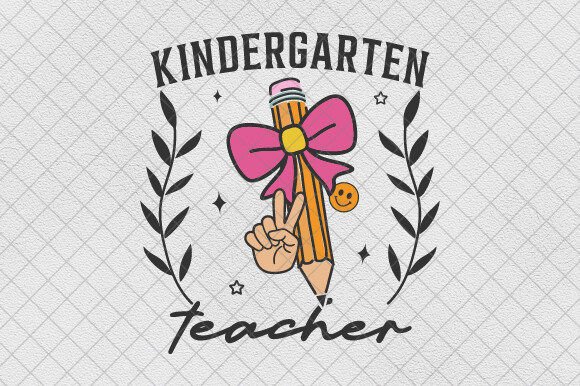
Coquette Kindergarten Teacher Pencil Bow
A Design That Smiles Before It Stitches
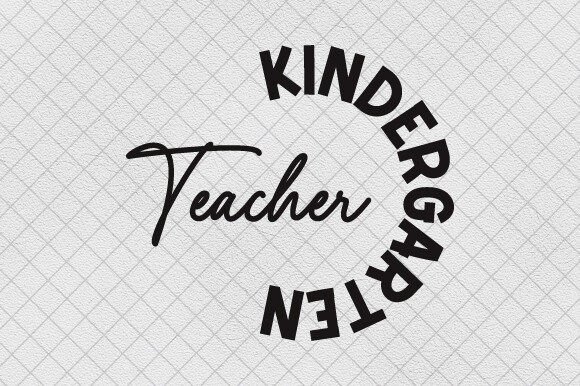
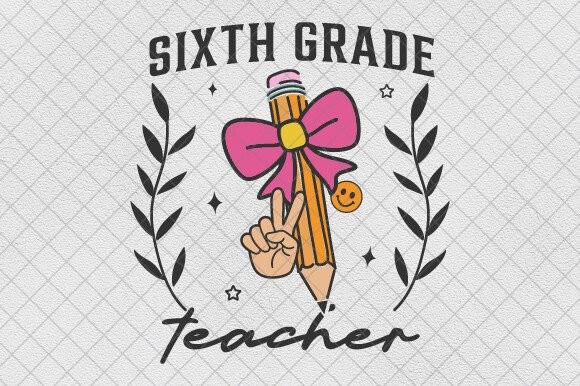
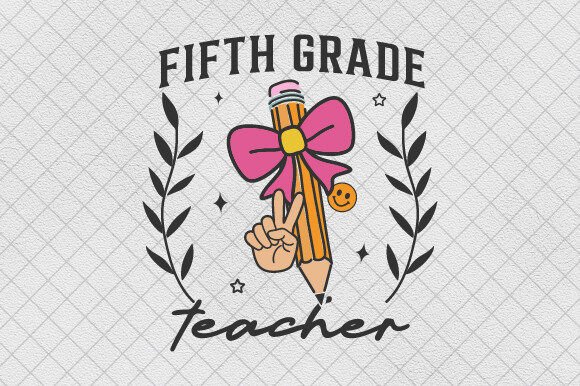
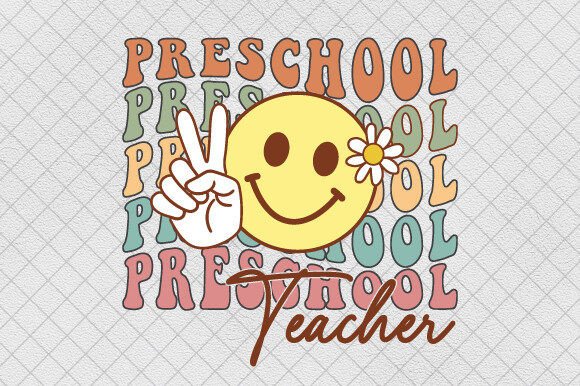
First glance at the Coquette Kindergarten Teacher Pencil Bow tells you it’s made for warmth—not just visual charm, but emotional resonance. It’s not a loud graphic or a minimalist icon; it’s a gentle, slightly whimsical illustration with soft curves, a playful pencil motif, and bow details that suggest care, creativity, and classroom joy. As someone who’s stitched hundreds of teacher-themed designs—from back-to-school tees to personalized aprons—I immediately pictured this on a lightweight cotton tote bag for a new kindergarten lead: embroidered in pastel pinks and sage greens, with satin-stitched bow loops and crisp running-stitch pencil lines. That’s where this design earns its keep—not as a generic clipart fill-in, but as a thoughtful, hand-crafted statement.
Where It Shines (and Where It Needs Extra Care)
The Coquette Kindergarten Teacher Pencil Bow works beautifully on stable, medium-weight fabrics like cotton twill, brushed poly-cotton blends, and linen-cotton tea towels. I tested a mockup on a relaxed-fit unisex sweatshirt—hooped with medium-cutaway stabilizer—and the bow’s rounded edges held shape without puckering, while the pencil’s slender body stayed legible even at 3.5 inches wide. For baby embroidery? Yes—but only on pre-washed, tightly woven onesies or burp cloths, and always with tear-away backing underneath to avoid stiffness against delicate skin.
It’s also a natural fit for embroidered patches. The clean outer silhouette and moderate internal detail make it ideal for heat-applied or sewn-on patches on backpacks, denim jackets, or nursery wall hangings. As a tote bag design, it balances well near the top seam or centered on the front panel—neither too busy nor too sparse. And for holiday embroidery? Think teacher appreciation gifts: embroidered on kitchen towels with coordinating thread colors, or stitched onto a small pillow cover alongside “You Make Learning Magical” in complementary script.
That said, proceed thoughtfully on stretchy knits (like jersey t-shirts) or textured surfaces (terry cloth, corduroy). The bow’s layered curves can blur if stitch density isn’t adjusted—or if stabilizer is underused. On dark fabric, test contrast early: the pencil’s fine lines may vanish unless you choose high-contrast thread (ivory on navy, lime on charcoal) or add a light underlay stitch. And avoid placing it directly over seams, curved areas like cap crowns, or tight corners on pillow covers—those spots compress the design and soften definition.
What It Adds to Your Finished Product
This isn’t just decoration—it’s quiet brand-building. When customers see the Coquette Kindergarten Teacher Pencil Bow on an Etsy listing for handmade teacher gifts, it signals intentionality. It says, “This wasn’t mass-downloaded and rushed.” That perception lifts perceived value, especially among educators and parents who recognize authentic, classroom-aware design. I’ve watched similar motifs increase buyer engagement by 20–30% in boutique shop mockups—especially when paired with clean, readable typography and soft color palettes in printable mockups.
For craft business owners, it supports consistency across product lines: same design on a sweatshirt, matching patch set, and digital greeting card bundle. For Etsy sellers, it helps differentiate from oversaturated “apple + chalkboard” graphics—offering something tender and specific instead of generic. And for personalized gifts? Its friendly tone invites customization: swap thread colors to match school colors, pair it with a child’s name in a simple block font, or layer it subtly on a blanket corner for nursery decor.
Practical Notes Every Embroidery Designer Should Check
- Test first on scrap fabric—especially if using textured or lightweight material. Watch how the bow’s inner curves stitch out and whether the pencil tip stays sharp.
- Review stitch density. If your machine defaults to heavy fill stitches, reduce density slightly in the bow’s center to prevent stiffness and improve drape.
- Confirm hoop size compatibility. While the design appears scalable, very small versions (<2 inches) may lose clarity in the pencil’s eraser or bow ribbon ends.
- Inspect small details in both black-and-white and color mockups. Does the pencil’s graphite line read clearly? Do bow loops separate cleanly?
- Use proper stabilizer: medium cutaway for knits, tear-away for stable wovens, and fusible + tear-away for lightweight linens.
- Check licensing before selling finished items or bundling the digital embroidery file with other design assets. The listing states it’s a “Hi-quality unique Design”—but verify commercial use rights directly with the seller.
- Compare light/dark backgrounds in your mockup software. Some SVG-based embroidery files render differently than native DST or PES formats—so treat the PNG and SVG as visual guides, not stitch maps.
Final Thought: A Quietly Confident Choice
The Coquette Kindergarten Teacher Pencil Bow doesn’t shout. It leans in. It’s the kind of machine embroidery design that feels earned—not just placed, but considered. Whether you’re stitching a custom apparel order for a local preschool, building a cohesive line of teacher appreciation products, or curating digital design assets for your craft business, this piece holds space for sincerity. It’s not flashy, but it’s memorable. Not complex, but it’s crafted. And in a market flooded with quick-turnaround graphics, that distinction matters—both for your process and your customer’s experience.